

































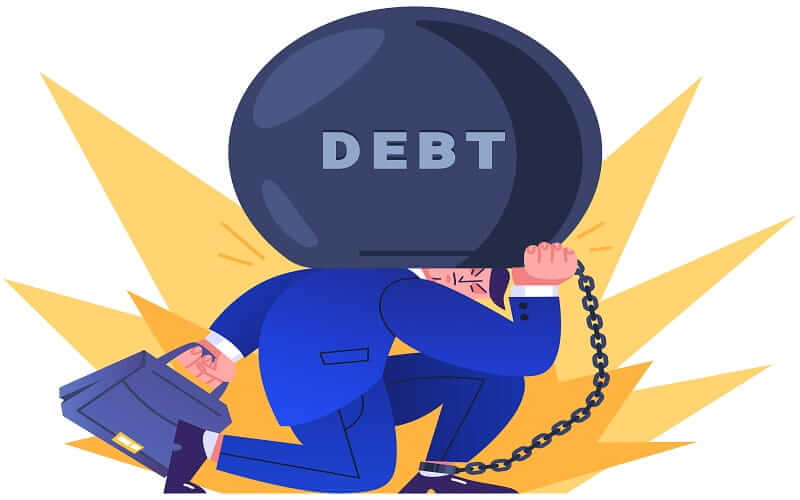
People often think that they make informed financial decisions until they fall into a debt trap. Consumerism has definitely played an important role in driving people into debt that they cannot pay off. But that is only a part of the whole story.
More and more people are falling into debt and frequently seeking help from professionals for their debt management needs. This is a highly effective strategy to deal with the debt problem. It can help you take control of your finances and eventually get rid of the debt. But the lesson one needs to learn is to avoid falling for the debt traps in the first place.
So, how does that happen?
The huge debt that you accumulate is a result of faulty financial decisions in the initial stages. What you think of as a smart move is nothing but an illusion. Companies, brands, and even your peers are responsible for making you spend money on things that you don’t immediately need. But no one is as responsible as you are for your own financial decisions.
It is so easy to fall for the numerous and sometimes unavoidable ads that make their way to you. They are supposed to work that way. With social media becoming an integral part of your daily life, it is hard to ignore what the latest offers are and what other people are buying.
How Does the Debt Process Start?
If you fall into debt, it’s not your fault, at least not at the initial stage. The advertising, marketing, and sales strategies are solely directed towards you to convince you to spend more money. No matter how smart you think you are, their strategies sometimes work through even the thickest of skin.
One simple way to define the debt trap is how the huge cost is broken into smaller and more affordable pieces, making you think you can actually afford it. From the salesman to the online stores, they will help you find a way to pay the huge amount in smaller installments. No, you don’t have to pay $30,000 for your dream car at once. You can pay $350 per month over a period of time. This sounds so affordable, doesn’t it? This is where the falling into the debt process starts.
All the seller has to do is tweak the situation and make it less scary than it was moments ago. Now that you know you can buy your car at an affordable rate, you breathe in relief and are ecstatic. It’s called removing those damaging elements that your brain perceives as dangerous and letting it believe otherwise.
Playing the Blame Game
You may put your brain at ease with a little trick. All those doubts that you had earlier come back. You thought you could afford the small installment, but now you cannot. Once you have the thing that you desire, the idea of continuing to pay for it for months and even for a year is a burden. Slowly, the cost seems unbearable, and your brain starts thinking of all those doubts and starts nagging you. The fact is, you couldn’t afford the bigger prize then, and you cannot afford the smaller prize now.
The ultimate question is, did you really need that car in the first place? What drove you to make that decision? The answer is simple: comparing your situation with others. When others can drive a new car and live happily, then why can’t you? This is one of the common dilemmas that people face in their lives: comparing themselves with others. Your wants become your needs in no time, and you fail miserably in the end.
The debt doesn’t just happen because of the car alone. After you get what you want, you start looking for other things to gratify your needs and sense of accomplishment. And the process goes on.
What do you need to do?
When you are unable to handle the situation effectively, you ultimately turn to the debt management experts. One of the key elements in managing the debt is staying clear about the “wants” and “needs.” The experts will advise you to recognize your immediate needs and wants so that you can make a sound decision. While your present debt needs to be paid off anyway, you will have to keep this in mind for the future.
Debt management will require you to take control of your finances and trade carefully. You should have done this in the initial stage. The debt trap has led many people to fall into depression. People who have debt-related problems often experience mental health problems in their lives.
The simple solution the experts suggest is to listen to your mind when you are making decisions and be aware of all the consequences of buying things that you cannot afford with your present financial situation.